Close
At ICSN, we believe that every child is created in the image of God and possesses immeasurable intrinsic value. This foundational belief drives our primary commitment: to provide a safe and nurturing environment that protects the physical, emotional, and spiritual well-being of every student in our care. We recognize that child abuse and neglect are not only violations of human rights but are significant obstacles to a child’s education and holistic development.
As educators, ICSN has the opportunity to observe and interact with children in meaningful ways. Therefore, we are in a unique position to identify children who need help and protection. Because of this, we have a professional, legal, and ethical obligation to identify and report cases of neglect or abuse and to take steps to ensure that the child and family gets the support services needed to remedy any situation.
ICSN’s Child Safeguarding Policy is strictly aligned with the Thai Child Protection Act (B.E. 2546) and the United Nations Convention on the Rights of the Child, of which Thailand is a signatory. We view our compliance with these laws not merely as a legal requirement, but as a vital part of our mission to equip students to thrive and “achieve more” in a secure, Christ-centered community.

We foster a culture of mutual accountability where safeguarding is not just a policy, but a community-wide commitment. Every adult on the ICSN campus—including staff, volunteers, contractors, and guests—shares a Universal Duty of Care, which is demonstrated through:
ICSN takes institutional responsibility for the safety of our environment through rigorous vetting and monitoring systems.
O.S.C.A.R.: All adults who enter campus are registered through the On School Campus Adult Registry (OSCAR), which ensures appropriate levels of identification, criminal record transparency, and agreement with our safeguarding policies.
Safe Recruiting: Our hiring process includes national and international criminal background checks, verification of identity, and at least two positive professional references
Mandatory Training: All employees, volunteers, and contractors participate in extensive annual safeguarding training to ensure they can recognize and respond to safety concerns with fidelity.
We maintain a “Whistleblowing” culture that protects those who speak up. All staff are mandatory reporters, required by policy and law to report any suspicion of harm.
Article IX of the ICSN Child Safeguarding Policy provides the following definitions:
Child Abuse: Any form of physical, emotional, or sexual harm; neglect; or exploitation that results in actual or potential harm to the health, development, or dignity of a child. See Emotional Abuse, Physical Abuse, and/or Sexual Abuse for further details, examples, and possible indicators.
Neglect: The ongoing failure to meet a child’s basic needs (physical, medical, social, or physiological) within their context, which is likely to result in harm to the child’s health or development. See Affluent Neglect, Emotional Neglect, Medical Neglect, & Physical Neglect for examples and possible indicators.
While we adhere to international best practices, ICSN is firmly grounded in the legal requirements of our local context. Our policies are strictly aligned with:
We recognize that parents are essential in child protection. We ask our families to support our culture of safety by:
We understand that these situations are complicated and discussions are difficult. While ICSN cannot endorse any of the following materials, the CPT has assembled a small library of resources for students, staff, and parents to assist in decision making and discussions.
ICSN uses a mixture of in-house training as well as units designed by CharacterStrong to equip our students with knowledge that will help protect them and others in their lives. The materials are age-appropriate and presented in safe and open contexts that encourage discussion and genuine understanding.
Scope and Sequence of Safe and Supported

To ensure the timely, appropriate, and well-documented response to any suspected or disclosed child abuse, neglect, or safeguarding concern, ICSN has established a Child Protection Team (CPT), led by the Designated Safeguarding Lead (DSL). The CPT serves as the primary intake and response body for all safeguarding concerns and is accessible to staff, students, and community members through multiple reporting pathways, including direct reporting to CPT members and the school’s designated reporting systems.
The Designated Safeguarding Lead is responsible for coordinating the school’s safeguarding response, convening CPT meetings as required, and ensuring that safeguarding concerns are managed in accordance with ICSN policy and applicable Thai legal requirements. The DSL also oversees the secure handling, storage, and confidentiality of all child safeguarding documentation, including reports, investigation records, and outcomes. Through this structured approach, ICSN ensures clear accountability, shared responsibility, and consistent safeguarding practice across the school.
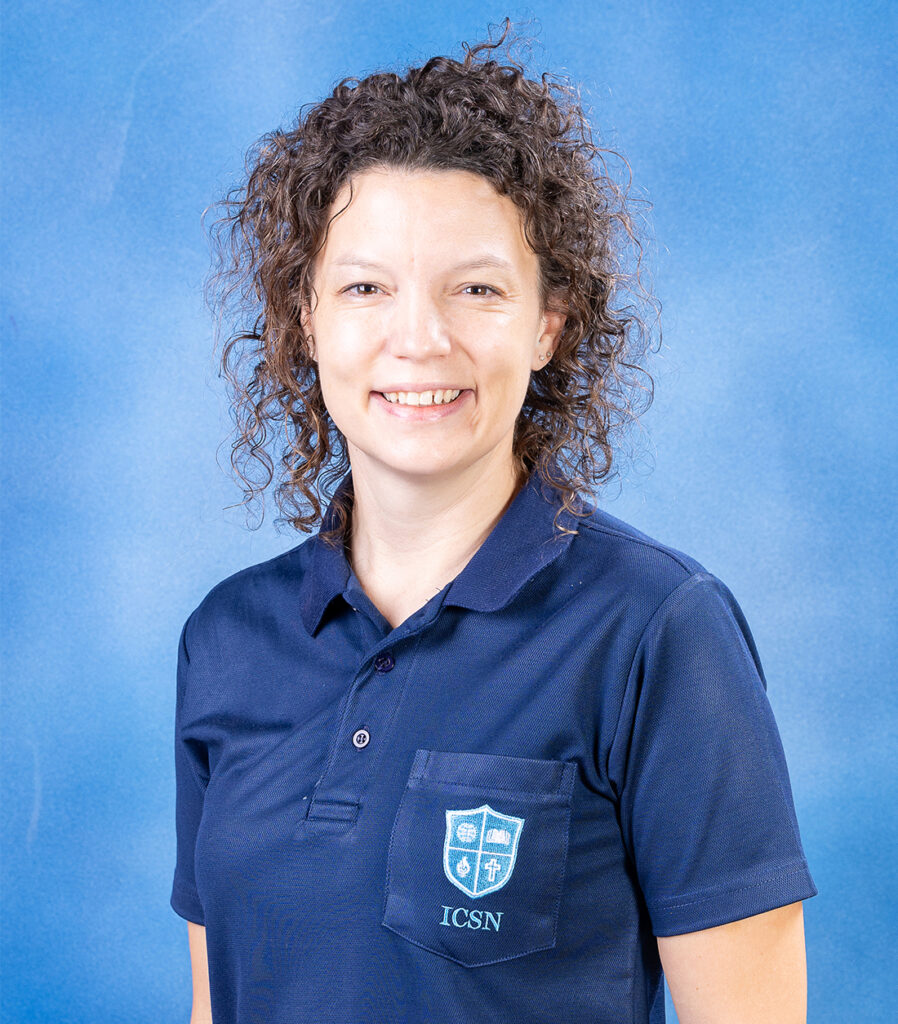
Child Protection Officer (CPO)

Child Protection Officer (CPO)

Child Protection Officer (CPO)